


Research Forum 2021
UNLOCKING TRANSFORMATIONAL VALUE:
the Triple Bottom Line
Wednesday, October 20th, 2021
11:00 – 16:30 CET
online
Human interaction may have been permanently altered by the COVID-19 pandemic, forcing changes in the ways that companies interact with their consumers and the environment. In the past 20 months, the world has seen more disruptions to industry than in the previous 5 years combined. At the same time, human capacity has enhanced significantly thanks to technology. The new operating landscape created by these phenomena presents both an opportunity and a challenge. However, the difference between challenge and opportunity is in the actions that Leaders must already be taking today.
KEY OUTCOMES
Trust, Innovation and Change
Pradeep Kakkattil, Director of Innovations, UNAIDS
Trust and Resource Mobilization
Marion Jansen, Director of the Division for Market Development and Chief Economist at the International Trade Centre (ITC)
Progressive Trust
Rolf Olsen, CEO & Founder of LEIDAR
AGENDA
11:00 – 11:02
Opening
Luc Craen, Managing Director & Vice-President, EU Business School
11:02 – 11:05
Welcome Address
Suddha Chakravartti, Head of Research, EU Business School
11:05 – 11:30
Keynote Address: Role of Bio-innovation and Biodiversity in Africa
H.E. Ameenah Gurib-Fakim, Former President of Mauritius
11:30 – 12:00
Discussion: Digital Innovation: Identifying, Integrating and Scaling
Apart from being the buzz word of the current decade, understanding innovation is a critical element of business survival. We discuss good practices on identifying, investing in, and integrating innovations. We also discuss how the range of stakeholders can contribute to scaling innovative solutions while also having positive impact on society.
Speakers:
H.E. AmeenahGurib-Fakim, Former Presidentof Mauritius
Ugo Ikpeazu, Lecturer at EU Business School/ONResearch, Social Development Consultant
Sindhuri Ponnapureddy, Lecturer, EU Business School
12:00 – 13:00
Panel 1: ESG Frameworks for Transformation
A discussion on how leading private sector are integrating ESG frameworks into innovative business models, as well as how these leaders are positioning their businesses to create value in an uncertain future.
Moderator: Chris McHugh, Senior Adviser, International Association of Credit Portfolio Managers/ Researcher, University of Southampton Business School
Panelists:
Thomas Hohne-Sparboth, Head of Sustainability Research, Lombard Odier Asset Management
Anastasia Naranova-Nassauer, Research Coordinator, EU Business School
David Lais, CPO, Ecolytiq, Climate Activist & Social Entrepreneur
Bathsheba Asati, Head of Strategic Initiatives at Amahoro Coalition, Associate at Botho Emerging Markets Group
13:00 – 14:00
Panel 2: Enabling Grassroots Ecosystems to Unlock New Markets
SMEs, start-ups, innovators, and the informal economy all have one thing in common, in most parts of the world, they form the category of society where the larger percentage of populations are engaged. These ecosystems represent opportunities for growth that both the public and private sectors must learn to cater to and collaborate with.
Moderator: Raymond Gilpin, Chief Economist, UNDP Africa
Panelists:
Raghunath Mandava, Former CEO, Airtel Africa
Marie-Chantal Kaninda, Executive Director, World Diamond Council
Zeynu Ummer, Chief Technical Advisor, UNDP Africa Borderlands Center
Sarata Conateh, Acting Chief Executive Officer, GCCI
Jesper Hörnberg, Co-Founder, GIVEWATTS/ Lead of Innovation & Scaling and the GRP Incubator, Global Resilience Partnership
14:00 – 15:00
Panel 3: The Realities and Opportunities of Free Trade
The global trade landscape has seen some of its more significant shocks in the past 5 years. With trade blocs opening up, and others shrinking, we discuss the dynamic landscape of opportunities for businesses to plug into.
Moderator: Suddha Chakravartti,Head of Research, EU Business School
Panelists:
Antonina Joy Kategekwa, Strategic Advisor on Trade, UNDP
Floriana Borino, Trade Analyst, International Trade Centre
Ugo Ikpeazu, Lecturer at EU Business School/ONResearch, Social Development Consultant
15:00 – 16:00
Break
16:00 – 16:30
Fireside Chat: Value Creation: the Geneva Case
A one-on-one discussion looks at the Geneva case to understand how one of the world’s most international cities continues to reinvent its business environment for value creation.
Vincent Subilia, Director General Geneva Chamber of Commerce, Indistry and Services (CCIG)
Suddha Chakravartti, Head of Research, EU Business School
16:30 – 16:35
Closing Notes
Stef de Jong, Academic Dean, EU Business School Geneva
SPEAKERS
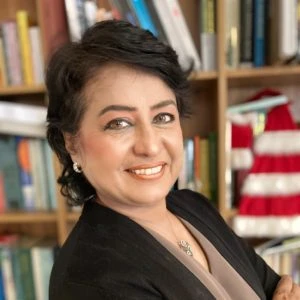
H.E Ameenah Gurib-Fakim
Former President of Mauritius
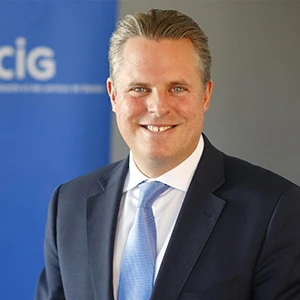
Vincent Subilia
Director General, Geneva Chamber of Commerce (CCIG)
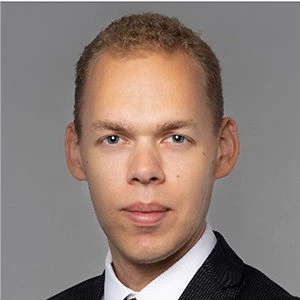
Thomas Höhne-Sparboth
Head of Sustainability Research, Lombard Odier Asset Management
Head of Sustainability Research, Lombard Odier Asset Management
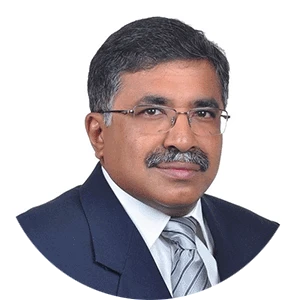
Raghunath Mandava
Former CEO, Airtel Africa
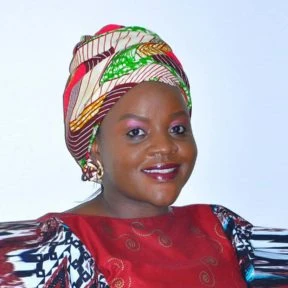
Antonina Joy Kategekwa
Strategic Advisor on Trade, UNDP
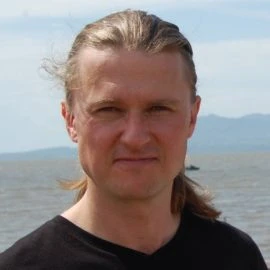
Jesper Hörnberg
Co-Founder, GIVEWATTS/ Lead of Innovation & Scaling and the GRP Incubator, Global Resilience Partnership
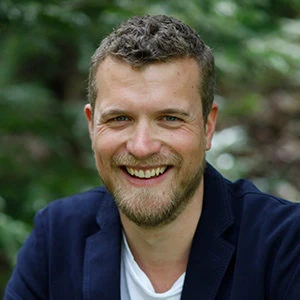
David Lais
CPO & Co-Founder, Ecolytiq/ Climate Activist/ Social Entrepreneur
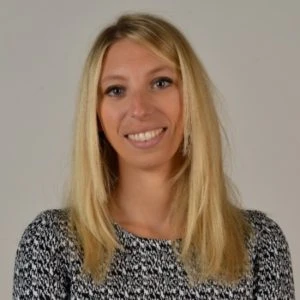
Floriana Borino
Trade Analyst, International Trade Centre
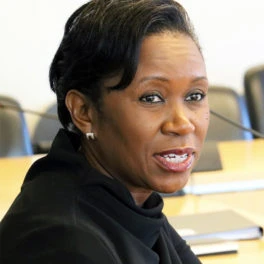
Marie-Chantal Kaninda
Executive Director, World Diamond Council
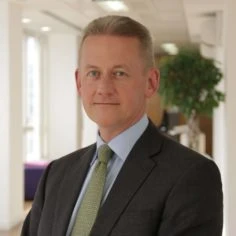
Chris McHugh
Senior Adviser, International Association of Credit Portfolio Managers/ Researcher, University of Southampton Business School
Senior Adviser, International Association of Credit Portfolio Managers/ Researcher, University of Southampton Business School
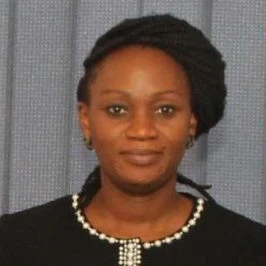
Sarata Conateh
Acting Chief Executive Officer, GCCI
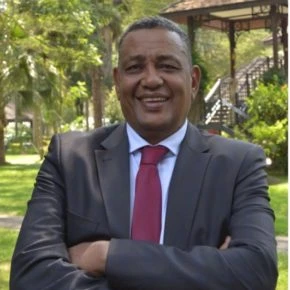
Zeynu Ummer
Chief Technical Advisor, UNDP Africa Borderlands Center
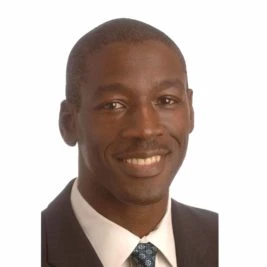
Raymond Gilpin
Chief Economist, UNDP Africa
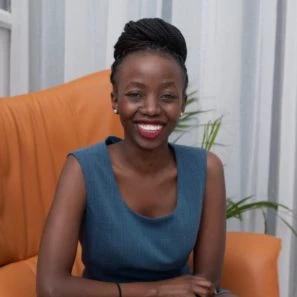
Bathsheba Asati
Head of Strategic Initiatives at Amahoro Coalition, Associate at Botho Emerging Markets Group

Anastasia Naranova-Nassauer
Research Coordinator, EU Business School/ONResearch
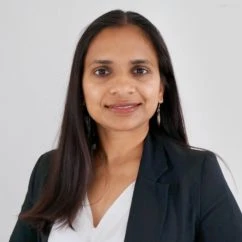
Sindhuri Ponnapureddy
Lecturer, EU Business School
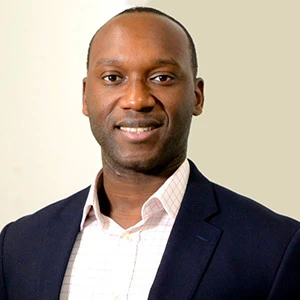
Ugo Ikpeazu
Lecturer EU Business School/ONResearch, Social Development Consultant
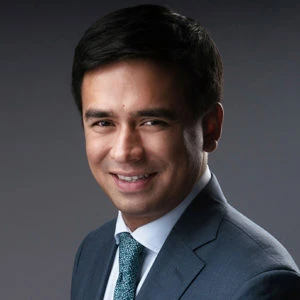
Suddha Chakravartti
Head of Research, EU Business School
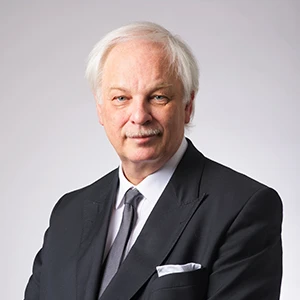
Stef de Jong
Academic Dean, Swiss Campuses, EU Business School
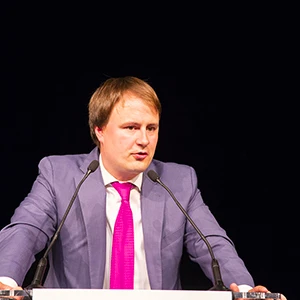
Luc Craen
Vice President & Managing Director, EU Business School
PARTNERS





OUTCOMES
EU Business School, through ON Research – its research platform, is inviting experts, leaders, and shapers from academia, businesses, governments, international organizations, think tanks, and NGOs, to once again discuss and deliberate on some of the most pressing issues of today under the auspices of its annual Research Forum. Now in its second year, the Forum intends to generate new ideas for research and partnerships, while providing thought leadership and direction in shaping our common and shared future. Building on the lessons learned and successes of last year, where we discussed the modalities of public-private collaborations in humanizing development – we realized that one of the key human components of collaboration at all levels was trust. Hence, this year we will focus on the essentials of trust in bridging the gap between ideas and solutions.
Trust: Bridging the Gap
Today, we arguably live in the most free, prosperous, progressive, inclusive, and innovative epoch in human history. Human progress, aided by technolgy, has meant that erstwhile physical and mental barriers are slowly being eroded. When you think about it, we do in fact live in a borderless world. While we keep pushing our boundaries with infinite innovative potential, our progress has also come at a large cost – a cost so gargantuan, that we need to rethink our narrative on progress and development. Despite our advancement, our world today is equally vulnerable to financial booms and busts, climate change, protracted conflicts, resource depletion, global pandemics, and natural disasters.
In today’s borderless, interdependent and interconnected world that we live in, no single agency or entity, state or private, will have the wherewithal to tackle the complex challenges we face. In fact, if we aspire to set the narrative of a “shared and common future,” the burden of facing the challenges has to be shared universally by everyone. This principle is one of the cornerstones of the 2030 Agenda for Sustainable Development. While the Sustanable Development Goals calls for universality of action, it is contingent upon whether we can forge strong partnerships; devise innovative solutions; and mobilize the adequate resources to sustain them.
Sustainable solutions to our many challenges can only emerge when everyone acts responsibly together. And for this, trust is the key asset in building effective and sustained partnerships. It is by far the cheapest and most effective asset that can be deployed to solve a problem. Thus, trust in all our interactions should be seen as a core-foundational value. However, in the current global scenario – trust in governments, institutions and businesses are on a decline in most parts of the world. The lack of common political will; hubristic domestic policies; the proliferation of misinformation and disinformation; and the lack of accountability of our institutions and leaders further impedes our goals of a sustainable future. What we need is global leadership and good governance to bridge the gap, and for that trust will be vital.
Without trust we don’t truly collaborate; we merely coordinate or, at best, cooperate. It is trust that transforms a group of people into a team.
Partnerships as Key Driver
Last year, we discussed the various modalities of public-private collaborations in the delivery of global public goods and finding effective solutions to complex challenges. Such multiparty stakeholder approach enshrines the universality principle, and has the possibility for unlocking innovative potentials through cross-cutting capacities. Yet, one of the major bottlenecks in such collaborative frameworks remains the question of trust. The lack of trust not only hinders collaborations, but magnifies the differences and reluctance between different sectors by creating a prevailing sense of inequity in desired capabilities, objectives and outcomes. This year, we will try to reflect on the elemental aspect of trust in creating win-win partnerships.
Innovation that Influences Change
Innovation is the process through which we bring about change and improvement in our world. Yet, to truly unlock our innovative capacities, we require a certain set of prerequisites. First, we should not restrict our understand of innovation as an “end,” but as a “means” or “process.” Second, most innovations occur in collaborative environments. In both cases, trust is the hinge that holds any innovative process together by allowing the necessary collaborations and resources to be accessed and freed up. In this section, we will discuss both the successes and obstacles faced by businesses, states, and institutions alike, in their quest for innovative solutions. We will highlight how better synergies and collaborative processes based on trust can foster innovation.
Mobilizing Resources
Resource mobilization is an essential component in financing innovative solutions to our many challenges. Still, the lack of trust in our international system inhibits access to vital resources by both businesses and states. The rise of populism, fake-news, the lack of transparency, protectionism, and trade-wars – just to name a few, restrict the mobilization of vital resources. Furthermore, the paralysis and the “loss of trustworthiness” of many global institutions further exacerbates the issue. What is missing is strong global governance that will provide an impetus to both businesses and governments alike to mobilize the necessary financing required to achieve the 2030 Agenda. We intend to look at not just the challenges of resource mobilization, but also deliberate on which models of resource mobilization are more effective.
Adolf Ogi, Former President of the Swiss Confederation
Dirk Craen, President, EU Business School
Luc Craen, Managing Director &Vice-President, EU Business School
Suddha Chakravartti, Head of Research, EU Business School
Yves LetermeSecretary General, International IDEA & Former Prime Minister of Belgium
Ugo Ikpeazu, Development Consultant, EU Business School Research Associate
Nadine Reichenthal, Professor, UNIL-HEC
Diego Gilardoni, Business Consultant, Author, China Expert, TED Speaker
Li Zhang, Gavi Director Strategic Innovation and New Investors Hub
Hans Vemer, CEO, Concept Foundation
Giovanni Di Cola, Special Advisor, Office of Deputy Director General, International Labour Organization
Matthew Wilson, Chief Advisor & Chef de Cabinet, International Trade Center
Geoffrey Hamilton, Chief, Cooperation & Partnerships Section, UNECE
Nathaly Palma, Researcher
Adrian Hallmark, Chairman & CEO, Bentley Motors
H.E Ravesa Lleshi,Ambassador and Permanent Representative of Albania to the United Nations
Nidal Salim, Founder, Global Institute for Water, Environment & Health
Lisa Ventura, Head, CSO Communities and Societies, World Economic Forum
Dominique Tombeur, President, DT International
Patrick Gantes, Director, CRES
H.E Robert Salama,Ambassador and Permanent Representative of Malawi to the United Nations
H.E (Dr.) Francois Ngarambe, Ambassador and Permanent Representative of Rwanda to the United Nations
H.E Léopold Ismael Salama, Ambassador and Permanent Representative of the Central African Republis to the United Nations
Alfred De Zayas, UN Independent Expert on the Promotion of a Democratic and Equitable International Order, Lawyer, Professor, Author, Human Rights Activist
The 2019 Forum will seek to focus on the essential human element of trust, and how it impacts every interaction. Although solutions can be created, it is only through trust that we can truly achieve them.
EU Business School places great importance and recognizes the need for global leadership through collaborations. While producing ethical leaders with a global mindset is imbibed in our spirit, it is only through building trust that allows leaders to succeed. In a world beset with complexity, and where challenges transcend all human-made borders and barriers, trust will be the most valuable asset we may be able to deploy.
This year we will engage with experts and strategic partners in delivering a world class event. This will help us to generate our research direction and identify how EU Business School can concretely contribute to outcomes recognised by the international community.
Dirk Craen
President, EU Business School
Luc Craen
Vice President & Managing Director, EU Business School
Crispin Conroy
Representative Director, International Chamber of Commerce (ICC)
Pradeep Kakkattil
Director of Innovations, UNAIDS
Marion Jansen
Chief Economist, Director – Division of Market Development, ITC
Yuvan Beejadhur
Founder & Managing Partner, Beejadhur Ocean Solutions / Ex Advisor, World Bank
Jaroslaw Ponder
Head of the ITU Office for Europe
Rolf Olsen
CEO & Founder, LEIDAR
Philipp Haeseli
CEO, Drink & Donate
Ivan Ureta
Associate professor, SUPSI; Adjunct professor, IE Business School
Yannick Heiniger
Partnership Manager, Office for Digital Transformation and Data, ICRC
H.E. Nasir Ahmad Andisha
Ambassador Extraordinary and Plenipotentiary of the Islamic Republic of Afghanistan to the United Nations in Geneva
Andrew Andrea
CEO, Alliance4Impact
Abbas Ahmed Abdullah AlBasha
DBA Candidate, EU Business School
Gonzalo Wandosell
Dean of the Law and Business Faculty at the Catholic University of Murcia (UCAM)
Luisa Meneghetti
Global Shapers Geneva Hub
Houman Goudarzi
Head of BI & Industry Engagement, IATA
Academic Dean, Munich Campus, EU Business School
Judit Kozenkow
Professor of Economics, EU Business School
Stef de Jong
Academic Dean, Swiss Campuses, EU Business School
Svetlana Elinova
Registrar, EU Business School
Olivier Brenninkmeijer
Academic Dean, Munich Campus, EU Business School
Suddha Chakravartti
Head of Research, EU Business School
OTHER EVENTS